A Spanish study has called for European rules on mercury and arsenic in infant cereal in light of high - in some cases ‘risk’ - levels found, particularly in organic and gluten-free products.

Friday, 7 December 2012
Set maximum arsenic and mercury levels for infant cereals, say researchers
Set maximum arsenic and mercury levels for infant cereals, say researchers:

Norovirus overview
Noroviruses
Definition
Noroviruses are a group of related, single-stranded RNA
(ribonucleic acid) viruses that cause acute gastroenteritis
in humans.
Description
Noroviral infection
Noroviruses are a major cause of viral gastroenteritis—an
inflammation of the linings of the stomach and small and large intestines that
causes vomiting and diarrhea.
Viruses are responsible for 30-40% of all cases of infectious diarrhea and viral
gastroenteritis is the second most common illness in the United States, exceeded
only by the common
cold.
Anyone can become infected with norovirus. During norovirus
outbreaks there are high rates of infection among people of all ages. There are
a large number of genetically-distinct strains of norovirus. Immunity appears to
be specific for the norovirus strain and lasts for only a few months. Therefore
norovirus infection can recur throughout a person s lifetime. Because of genetic
(inherited) differences among humans, some people appear to be more susceptible
to norovirus infection and may suffer more severe illness. People with type O
blood are at the highest risk for severe infection.
Infected individuals are contagious from the first onset of
symptoms until at least three days after full recovery. Some people may remain
contagious for as long as two weeks after recovery.
Gastroenteritis
Gastroenteritis often is referred to as the stomach flu even
though the flu is a respiratory illness caused by an influenza
virus. Other common names for viral gastroenteritis include:
- food poisoning
- winter-vomiting disease
- non-bacterial gastroenteritis
- calicivirus infection.
The U.S. Centers for Disease Control and Prevention (CDC)
estimate that noroviruses are responsible for some 23 million cases of acute
gastroenteritis in the United States every year. Epidemiologists estimate that
about 50,000 Americans are hospitalized annually and about 400 die as a result
of norovirus infection. In developing countries noroviruses are a major cause of
human illness.
Gastroenteritis caused by infection with a norovirus is rarely
a serious illness. Typically an infected person suddenly feels very ill and may
vomit many times in a single day. The symptoms, although quite unpleasant,
usually last only 24-60 hours.
Transmission
Noroviruses are ubiquitous in the environment. They are highly
contagious and are considered to be among the most infectious of viruses. The
reasons for this include:
- Only a small number of viral particles—fewer than 100—are required for infection.
- Although noroviruses cannot reproduce outside of their human hosts, they can remain viable for weeks or even months on objects and surfaces.
- Human immunity to norovirus is short-lived and strain-specific.
Noroviruses are transmitted among people by a fecal-oral
route, either by ingestion of food or water contaminated with feces or by
contact with the vomit or feces of an infected person. Norovirus infection can
occur by:
- consuming contaminated food or liquids
- hand contact with contaminated objects or surfaces, followed by hand contact with the mouth
- contact with an infected person, including caring for the sick person or sharing food or utensils
- aerosolized vomit that is swallowed or contaminates surfaces.
Environmental contamination or contact with infected clothing
or linen also may be a source of transmission. Although there is no evidence
that norovirus infection can occur via the respiratory system, the sudden and
violent vomiting of noroviral gastroenteritis can lead to contamination of the
surroundings and of public areas. Particles laden with virus can be suspended in
the air and swallowed.
FOODBORNE TRANSMISSION. Noroviruses account for at least 50%
of food-related outbreaks of gastroenteritis. A European study found that
between 1995 and 2000 noroviruses were responsible for more than 85% of all
foodborne non-bacterial gastroenteritis outbreaks. Restaurant or catered foods
are common sources of norovirus transmission, with subsequent infection of
household members. The majority of norovirus outbreaks occur via contamination
by a food handler immediately before the food is consumed.
Foods that frequently are associated with norovirus outbreaks
include:
- foods that are eaten without further cooking, including sandwiches, salads, and bakery products
- liquids such as salad dressing or cake icing in which the virus becomes evenly distributed
- food that is contaminated at its source, including oysters and clams from contaminated waters and raspberries irrigated with sewage-contaminated water
- food that becomes contaminated before distribution, including salads and frozen fruit.
- Shellfish, including oysters and clams, concentrate norovirus from contaminated water in their tissues. Steaming shellfish may not completely inactivate the virus.
WATERBORNE TRANSMISSION. There is widespread norovirus
contamination of rivers and seas, often with more than one strain of the virus.
Waterborne outbreaks of norovirus have been associated with:
- sewage-contaminated wells
- contaminated municipal water systems
- stream and lake water
- swimming pools and spas
- commercial ice.
Outbreaks
Norovirus infection can spread rapidly through daycare
centers, schools, prisons, hospitals, nursing homes, camps, and other confined
spaces. About 40% of group- or institutionally-related outbreaks of diarrhea are
caused by norovirus. Outbreaks usually peak during the winter months.
Between July of 1997 and June of 2000, 232 norovirus outbreaks
were reported to the CDC. It was determined that 57% of these outbreaks were due
to foodborne transmission, 16% were spread by human contact, and 3% were due to
waterborne transmission. The mode of transmission could not be determined in 23%
of the outbreaks. Restaurants or catered food accounted for 36% of the
outbreaks, 23% occurred in nursing homes, 13% in schools, and 10% at resorts or
on cruise ships. Outbreaks also have occurred at large family gatherings.
Cruise ships have become notorious for norovirus outbreaks
among passengers and staff. Cruise ships and naval vessels are at increased risk
for contamination when docking in regions that lack adequate sanitation and
where contaminated food or water may be brought onboard. Outbreaks on cruise
ships are exacerbated by close living quarters and the arrival of new,
susceptible passengers every one to two weeks. Norovirus outbreaks have been
reported to continue through more than 12 successive cruises on a single
ship.
A study of 12 calicivirus outbreaks on cruise ships in 2002
found that 11 of the outbreaks were caused by noroviruses and seven of these
were due to a previously unreported strain. In the same year, 10 out of 22
land-based outbreaks were attributed to this new strain.
Outbreaks of norovirus appear on the increase. In 2005 the CDC
reported that norovirus outbreaks were increasing in hospitals, daycare centers,
nursing homes, and schools across the country. The International Council of
Cruise Lines reported that, although less than 1% of passengers become infected
with norovirus each year, outbreaks on cruise ships also were on the increase.
In the summer of 2004 an outbreak at Yellowstone National Park sickened 134
people. More than 1,100 people became ill in early 2004 after a norovirus
outbreak at Las Vegas hotels. The following autumn more than 1,200 people became
sick from a norovirus outbreak at a single Las Vegas hotel-casino.
Causes & symptoms
Norovirus strains
Noroviruses lack outer envelopes and their genetic material is
carried as single-stranded RNA rather than DNA. Although noroviruses are not
new, the extent of norovirus infection was not recognized until the 1990s. This
has led to increased research on noroviruses and more monitoring of
outbreaks.
Until 2004 noroviruses were commonly referred to as:
- Norwalk virus
- Norwalk-like viruses (NLVs)
- caliciviruses
- small, round-structured viruses (SRSVs).
Noroviruses are named after the original strain—the Norwalk
virus—that caused an outbreak of gastroenteritis in a Norwalk, Ohio, school in
1968. The virus was identified in 1972. Since then many related viruses have
been identified. In 2004 these viruses were grouped together in the genus
Norovirus within the Caliciviridae family of viruses. Eight to ten
distinct genogroups of norovirus have been found in various parts of the world.
The most common genogroups are GI, GII, GIII, and GIV. Each of these groups can
be further differentiated into at least 20 genetic clusters. Evidence suggests
that noroviruses in different genetic clusters can recombine to form new,
genetically-distinct noroviruses. GII strains, especially GII4, are the most
prevalent. However the most common method of identifying noroviruses—the reverse
transcription-polymerase chain reaction (RT-PCR)—may not always identify GII
genetic clusters correctly.
The increased number of norovirus outbreaks in European
countries in 2002—occurring in the spring and summer rather than in winter—were
found to be associated with the emergence of a new variant of the GII4 strain.
Increased international outbreaks in 2003 and 2004 also were caused by a
GII4-related norovirus that was found to mutate rapidly. Mutations in the viral
capsid—the virus s outer protective layer—were used to determine the predominant
routes of norovirus transmission.
Symptoms
Symptoms of norovirus infection usually appear within 24-48
hours after exposure, with a median incubation period during outbreaks of 33-36
hours. However symptoms can occur as early as 12 hours or less after
exposure.
Typical symptoms of norovirus infection are:
- nausea
- vomiting
- watery diarrhea without blood
- abdominal cramping.
Among children, vomiting is the predominant symptom, whereas
diarrhea is more common in adults. Vomiting can be frequent and violent and may
occur without warning.
Additional symptoms of norovirus infection may include:
- low-grade fever
- chills
- headache
- muscle aches
- fatigue.
Dehydration
is the major risk from gastroenteritis caused by norovirus, particularly among
infants, young children, the elderly, and those with underlying health
conditions.Symptoms of dehydration include:
- dry mouth
- increased or excessive thirst
- low urine output
- nausea
- dizziness or faintness
- sunken eyes
- sunken fontanelle—the soft spot on an infant s head
- confusion.
As many as 30-50% of norovirus infections do not produce
symptoms. It is not known whether individuals with asymptomatic infections can
transmit the virus.
Diagnosis
Identifying noroviruses
Viral gastroenteritis usually is diagnosed on the basis of the
symptoms. Many types of viruses cause gastroenteritis. Rotoviruses are a leading
cause of gastroenteritis in children who then transmit the virus to adults. In
addition to noroviruses, viral gastroenteritis in humans can be caused by
another genus of viruses within the Caliciviridae family. Formerly known
as the Sapporo-like virus, or classic or typical calicivirus, these now are
grouped in the genus Sapovirus. Other genera in the Caliciviridae
family are not pathogenic in humans. Some bacteria and parasites also cause
illnesses that are similar to norovirus infection.
The cloning and sequencing of noroviruses in the early 1990s
made it easier to identify norovirus outbreaks. RT-PCR is the most commonly used
method for identifying norovirus. With this technique the virus s RNA is used as
the template for transcribing the corresponding DNA using the enzyme reverse
transcriptase. The DNA is amplified into many copies using the polymerase chain
reaction. Many state public health laboratories use this method to detect
norovirus in vomit and stools. The best identification usually comes from stool
samples taken within 48-72 hours after the onset of symptoms; however norovirus
can be detected in stool samples taken five days after the onset of symptoms and
sometimes even in samples taken up to two weeks after recovery.
Norovirus from fecal samples can be visualized using electron
microscopy. With immune electron microscopy (IEM), antibodies against norovirus
are collected from blood serum and used to trap and visualize the virus from
fecal samples. However these methods require high concentrations of norovirus in
the stool, as well as a fourfold increase in norovirus-specific antibodies in
blood samples taken during the acute or recovery phases of
gastroenteritis.
Enzyme-linked immunosorbent assays may be used to detect
noroviruses in fecal samples. In these assays noroviral-specific antibodies
bound to the virus are detected by the reaction of an enzyme that is attached to
the antibody. Nucleic acid probes that hybridize with noroviral RNA also can be
used for virus detection in feces.
As of 2005 a Japanese chemical company was producing a reagent
kit that can be used to detect norovirus in two hours rather than the 12-24
hours needed for conventional detection. Other simpler methods for rapidly
identifying norovirus are under development.
Investigating outbreaks
Epidemiological studies often involve sequencing the norovirus
RNA. This can help to determine whether outbreaks in different geographical
locations are connected to each other and can help trace the source of the
norovirus to contaminated food or water. CaliciNet is a database that stores the
RNA sequences of all norovirus strains that cause gastroenteritis in the United
States.
Criteria that are sometimes used to determine whether an
outbreak of gastroenteritis is caused by a norovirus include:
- a mean incubation period of 24-48 hours
- a mean duration time for illness of 12-60 hours
- vomiting in more than 50% of patients
- failure to find a bacterial cause for the illness.
During investigations of norovirus outbreaks, food handlers
may be asked to provide a stool sample and possibly a blood sample. Food rarely
is tested for norovirus since each type of food requires a specific assay.
However tests are used to detect the virus in shellfish. When large amounts—1-26
gal. (5-100 L)—of water are processed through specially designed filters, the
norovirus can be concentrated and assayed by RT-PCR.
Treatment
Gastroenteritis caused by noroviruses usually resolves itself
without treatment within a very few days. As of 2005 there are no medications or
vaccines that are effective against the norovirus. Viruses are not affected by
antibiotics
and antidiarrheal medications may prolong the infection.
Norovirus infections should be treated by:
- drinking plenty of fluids, such as water and juice, to prevent dehydration caused by vomiting and diarrhea
- intravenous fluids if severe nausea prevents drinking, particularly in small children
- drinking oral rehydration fluids (ORFs) to prevent dehydration and to replace electrolytes (salt and minerals) and glucose
- avoiding alcohol and caffeine which can increase urination.
Commercially available ORFs include Naturalyte, Pedialyte,
Infalyte, and Rehydralyte.
Juice, soda, and water do not replace lost electrolytes; nor
do sports drinks replace nutrients and minerals lost through vomiting and
diarrhea. Those taking diuretics
should ask their healthcare provider whether to stop taking the medication
during acute diarrhea.
Since the risk of dehydration is higher for infants and young
children, the number of wet diapers per day should be closely monitored.
Severely dehydrated children may receive rapid intravenous
rehydration in a hospital or emergency-room setting.
A health care provider should be consulted if:
- symptoms of dehydration appear
- diarrhea persists for longer than a few days
- there is blood in the stool.
Alternative treatment
An infusion of meadowsweet (Filipendula ulmaria) may
reduce nausea. Once the symptoms are reduced, slippery elm (Ulmus fulva
may calm the digestive system. Castor oil packs placed on the abdomen can reduce
inflammation and discomfort.
Homeopathic remedies for gastroenteritis include Arsenicum
album, ipecac, and
Nux vomica. Chinese patent herbal remedies include Po Chai and Pill
Curing.
During recovery from viral gastroenteritis, live cultures of
Lactobacillus acidophilus, found in live-culture yogurt or as powder or
capsules, may be useful for restoring the native flora of the digestive
tract.
Prognosis
Norovirus infection is followed by complete recovery and there
are no known long-term health effects. Infected persons do not become long-term
carriers of the virus. Dehydration is the most serious possible consequence of
noroviral infection and can be fatal, particularly among older people with
debilitating medical conditions or impaired immune systems.
Prevention
Noroviruses are difficult to destroy. They can survive
freezing as well as temperatures as high as 140°F (60°C). Noroviruses can
survive chlorine levels as high as 10 parts per million (ppm), far higher than
the levels present in most public water systems. A 2004 study from the
Netherlands found that inactivation of norovirus with 70% ethanol was
inefficient and that sodium hypochlorite solutions were effective only at
concentrations above 300 ppm.
The best prevention against noroviral infection is frequent,
thorough hand washing with soap and water. All soaped hand surfaces should be
rubbed vigorously for at least 10 seconds. The hands should be thoroughly rinsed
under a stream of water. In particular hands always should be washed before
handling food and after using the toilet or changing diapers.
Other important measures for preventing norovirus infection
include:
- proper handling of cold foods
- careful washing of fruits and vegetables
- steaming oysters before eating, although even this may be insufficient for destroying norovirus
- taking particular care when handing the diapers of children with diarrhea
- properly disposing of sewage and diapers
- excluding sick infants and children from food preparation areas.
To prevent further transmission of norovirus:
- All surfaces exposed to vomit or otherwise contaminated should be immediately cleaned and disinfected with a solution of 10% bleach, followed by rinsing.
- Contaminated clothing and linens should be removed immediately and washed with hot water and detergent on the maximum machine cycle and with a minimum of handling, followed by machine drying.
- Vomit and feces should be discarded or flushed immediately and the toilet area should be kept clean.
- Exposed or contaminated food should be discarded.
- Masks may be worn while cleaning areas that have been badly contaminated with vomit or feces, such as in hospitals or nursing homes.
A 2004 study found that detergent-based cleaning with a cloth
consistently failed to eliminate norovirus contamination. With fecal
contamination, detergent-based cleaning, followed by cleaning with a combination
hypochlorite/detergent formula containing 5000 ppm of available chlorine
significantly reduced contamination. However norovirus still could be detected
on as much as 28% of the surfaces. When this procedure failed to eliminate
contamination, the virus was transmitted to the cleaner's hands. Contaminated
fingers consistently transferred norovirus to up to seven different surfaces
including doorknobs and telephones. However the contamination was diluted during
secondary transmission and treatment with the combined bleach/detergent
eliminated the virus without prior cleaning.
In situations where there is a periodic renewal of susceptible
people, such as on cruise ships and at camps, the facility may have to be closed
until cleaning is complete. Although many state and local health departments
require that food handlers with gastro-enteritis not return to work until 2-3
days following recovery, this may not be an adequate length of time to prevent
noroviral transmission.
The prevention of norovirus outbreaks include reducing
contamination of water supplies with human waste and using high-level
chlorination—at least 10 ppm for more than 30 min. Surveillance of shorelines
for potential sources of fecal contamination and for boats that are dumping
human waste may help prevent shellfish-associated norovirus outbreaks.
In 2004 researchers at Washington University announced that
they had succeeded in growing a mouse norovirus in the laboratory for the first
time, with the goal of studying the virus and developing a vaccine against it.
New surveillance systems also are being developed to detect norovirus outbreaks
at an early stage.
Advent calendar chocolates present cancer risk, says consumer group
Advent calendar chocolates present cancer risk, says consumer group:
Potentially cancerous mineral oils have been found in advent calendar chocolates including ones from Nestlé, Mondelez and Lindt, leading a consumer group to call for manufacturers and packaging firms to change packaging inks and machine lubricants.
Combined method reduces E.coli on spinach, finds study
Combined method reduces E.coli on spinach, finds study:
Combining continuous ultrasound treatment with chlorine washing can reduce E.coli on spinach leaves, according to US scientists.
Acrylamide: A scandal in the making
Acrylamide: A scandal in the making:
Acrylamide is a recognised carcinogen that we’ve known is in our food at dangerous levels for a decade. Today, the food industry has tools to mitigate it, but uptake is slow.
Industry, beware. This is how scandals are made.
Industry, beware. This is how scandals are made.
Thursday, 25 October 2012
Lawsuit battle over resin used in plastic packaging
Lawsuit battle over resin used in plastic packaging:
A chemical company is locked in a battle over whether a resin used in its plastic packaging is free of chemicals with estrogenic activity (EA).
China food safety firm secures millions of dollars in sales
China food safety firm secures millions of dollars in sales:
China Health Labs & Diagnostics has secured $11.6m of orders for food safety products and its Type B BK Food Safety Rapid Test System (BK-iRT) from theBeijingmunicipal government.
Outbreak of norovirus in Germany 'over'
Outbreak of norovirus in Germany 'over':
German food safety chiefs have said that a norovirus outbreak that sickened more than 11,000 people is over.
E.coli outbreak linked to nearly 200 cases in Northern Ireland
E.coli outbreak linked to nearly 200 cases in Northern Ireland:
The Northern Irish Public Health Agency (PHA) is investigating an outbreak of E.coli O157 which has been linked to 25 confirmed and 154 probable cases.
British Lion eggs sourcing call after salmonella scare
British Lion eggs sourcing call after salmonella scare:
British Lion Egg Processors (BLEP) are urging manufacturers to buy product derived from British Lion certified eggs after an outbreak of salmonella that hit seven people in the UK.
UK aims to standardise front-of-pack nutrition labels
UK aims to standardise front-of-pack nutrition labels:
The UK government has said it will roll out a new voluntary front-of-pack nutrition labelling scheme by next summer to standardise labels across retailers and food manufacturers.
Tuesday, 23 October 2012
Reminder to food handlers with food poisoning
Reminder to food handlers with food poisoning: The Food Standards Agency is reminding those who work with food and are suffering from symptoms of food poisoning, or those in close contact with someone who is, to stay away from work and see their GP. This is in light of the current outbreak of E.coli O157 in Northern Ireland.
Maternal acrylamide linked to low birth weight children
Maternal acrylamide linked to low birth weight children:
High maternal intake of acrylamide-rich foods could be linked to a higher risk low birth weight children, according to new research.
Salmonella in Smoked Salmon Sickens Nearly 1,000 in Netherlands
Salmonella in Smoked Salmon Sickens Nearly 1,000 in Netherlands:
By Gretchen Goetz
 At least 950 people in the Netherlands are now known to have fallen ill in a Salmonella Thompson outbreak linked to salmon. Three elderly victims have died.
The outbreak was first reported October 1 after more than 200 Salmonella illnesses were linked to smoked salmon sold by Netherlands-based Foppen. Subsequent environmental testing revealed the presence of the outbreak strain of the bacteria in one of the company’s manufacturing plants in Greece.
Now the outbreak has grown to include almost 1,000 Dutch victims, three of whom have died, reported the Netherlands’ National Institute for Public Health (RIVM) Thursday, according to MedicalXPress.
Meanwhile, health officials have identified a cluster of Salmonella Thompson infections in the U.S. The genetic fingerprint of this bacteria is indistinguishable from that of the strain causing the Dutch outbreak; however, patient interviews have revealed that Foppen smoked salmon was not a likely source of infection for these cases, according to Lola Russell, spokesperson for the federal Centers for Disease Control and Prevention.
“We have the same PFGE (pulsed-field gel electrophoresis) pattern that they have (in the Netherlands), but ours is not showing a connection to smoked salmon. We’ve been speaking to those people, but they do not report eating smoked salmon,” Russell told Food Safety News.
While the recalled Dutch smoked salmon was sold in the U.S. by Costco Wholesale, no illnesses have been linked to the product, says the Kirkland, WA-based company.
According to Craig Wilson, Director of Food Safety at Costco, consumers called the company to report illnesses after being notified of the recall. However, when asked Thursday via email whether any of these illnesses had been officially linked to consumption of Foppen smoked salmon, Wilson replied, “No. None at all.”
Costco recalled two smoked salmon products manufactured by Foppen in its October 1 recall: one sold under the Kirkland Signature brand and one sold under the Foppen brand. The Kirkland Signature-branded salmon has since been cleared, as it was manufactured at a different plant from the Greek one where the contamination was found. The recalled Foppen-branded product, which was manufactured at the implicated Greek plant, has been destroyed.

By Gretchen Goetz
 At least 950 people in the Netherlands are now known to have fallen ill in a Salmonella Thompson outbreak linked to salmon. Three elderly victims have died.
The outbreak was first reported October 1 after more than 200 Salmonella illnesses were linked to smoked salmon sold by Netherlands-based Foppen. Subsequent environmental testing revealed the presence of the outbreak strain of the bacteria in one of the company’s manufacturing plants in Greece.
Now the outbreak has grown to include almost 1,000 Dutch victims, three of whom have died, reported the Netherlands’ National Institute for Public Health (RIVM) Thursday, according to MedicalXPress.
Meanwhile, health officials have identified a cluster of Salmonella Thompson infections in the U.S. The genetic fingerprint of this bacteria is indistinguishable from that of the strain causing the Dutch outbreak; however, patient interviews have revealed that Foppen smoked salmon was not a likely source of infection for these cases, according to Lola Russell, spokesperson for the federal Centers for Disease Control and Prevention.
“We have the same PFGE (pulsed-field gel electrophoresis) pattern that they have (in the Netherlands), but ours is not showing a connection to smoked salmon. We’ve been speaking to those people, but they do not report eating smoked salmon,” Russell told Food Safety News.
While the recalled Dutch smoked salmon was sold in the U.S. by Costco Wholesale, no illnesses have been linked to the product, says the Kirkland, WA-based company.
According to Craig Wilson, Director of Food Safety at Costco, consumers called the company to report illnesses after being notified of the recall. However, when asked Thursday via email whether any of these illnesses had been officially linked to consumption of Foppen smoked salmon, Wilson replied, “No. None at all.”
Costco recalled two smoked salmon products manufactured by Foppen in its October 1 recall: one sold under the Kirkland Signature brand and one sold under the Foppen brand. The Kirkland Signature-branded salmon has since been cleared, as it was manufactured at a different plant from the Greek one where the contamination was found. The recalled Foppen-branded product, which was manufactured at the implicated Greek plant, has been destroyed.
Northern Ireland’s Largest E. coli Outbreak Hits 269
Northern Ireland’s Largest E. coli Outbreak Hits 269:
By News Desk
Update: Since this article was originally published, eight more cases of E. coli O157:H7 were confirmed to be part of this outbreak, bringing the total number of confirmed cases to 98. There are an additional 175 suspected cases, according to North Ireland’s Public Health Agency, as reported by BBC News on the afternoon of Monday October 22.
At least 269 people are suspected to have fallen ill in an outbreak of E. coli O157:H7 after eating at a restaurant in Belfast, Northern Ireland’s Public Health Agency announced on Sunday. This is by far the largest E. coli outbreak in the nation’s history.
 The number ill consist of 90 laboratory-confirmed cases and another 179 probable cases. Probable cases are those with exposure and corresponding symptoms, but who have not been tested for E. coli infection in a clinical laboratory.
The restaurant, Flicks, was also connected to an E. coli outbreak in August that sickened four people. On Sunday the PHA announced that the two outbreaks were isolated incidents and the bacteria involved differed genetically.
Flicks voluntarily closed on October 9 pending a public health investigation into the cause of the outbreak. In an interview with BBC, a Northern Ireland health official said that no E. coli outbreaks in the country prior to this had exceeded 20 cases.
Illnesses began to arise around September 24, and the PHA encourages anyone who ate at the restaurant and experienced symptoms of E. coli infection to contact them immediately.

By News Desk
Update: Since this article was originally published, eight more cases of E. coli O157:H7 were confirmed to be part of this outbreak, bringing the total number of confirmed cases to 98. There are an additional 175 suspected cases, according to North Ireland’s Public Health Agency, as reported by BBC News on the afternoon of Monday October 22.
At least 269 people are suspected to have fallen ill in an outbreak of E. coli O157:H7 after eating at a restaurant in Belfast, Northern Ireland’s Public Health Agency announced on Sunday. This is by far the largest E. coli outbreak in the nation’s history.
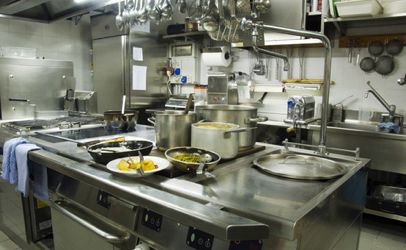 The number ill consist of 90 laboratory-confirmed cases and another 179 probable cases. Probable cases are those with exposure and corresponding symptoms, but who have not been tested for E. coli infection in a clinical laboratory.
The restaurant, Flicks, was also connected to an E. coli outbreak in August that sickened four people. On Sunday the PHA announced that the two outbreaks were isolated incidents and the bacteria involved differed genetically.
Flicks voluntarily closed on October 9 pending a public health investigation into the cause of the outbreak. In an interview with BBC, a Northern Ireland health official said that no E. coli outbreaks in the country prior to this had exceeded 20 cases.
Illnesses began to arise around September 24, and the PHA encourages anyone who ate at the restaurant and experienced symptoms of E. coli infection to contact them immediately.
Monday, 22 October 2012
Kroger to Stop Selling Sprouts
Kroger to Stop Selling Sprouts:
By James Andrews
 Kroger, the largest grocery chain in the U.S., announced on Friday that its stores will no longer carry sprouts, one of the foods most commonly associated with foodborne illness outbreaks.
“After a thorough, science-based review, we have decided to voluntarily discontinue selling fresh sprouts,” said Payton Pruett, Kroger’s vice president of food safety in a press release. “Testing and sanitizing by the growers and safe food handling by the consumer are the critical steps to protect against food-borne illness. Sprouts present a unique challenge because pathogens may reside inside of the seeds where they cannot be reached by the currently available processing interventions. Out of an abundance of caution, the Kroger Family of Stores will no longer sell fresh sprouts or procure other foods that are produced on the same equipment as sprouts.”
The change will take effect Monday, October 22. The company said it is willing to review its policy if future technologies and practices allow sprouts to grow without the risk of internalizing pathogens.
Earlier this year, sub-sandwich chain Jimmy John’s dropped sprouts from its menu in February after the item tied the chain to five outbreaks over the course of four years. In January, deli chain Jason’s Deli also cited recent outbreaks when announcing it would not serve sprouts for at least the remainder of 2012.
Sprouts have caused at least 54 foodborne illness outbreaks worldwide since 1990, including the summer 2011 E. coli outbreak in Germany that killed 53 people and sickened roughly 4,000.
In 2000, food safety attorney and Food Safety News publisher Bill Marler called for the U.S. Food and Drug Administration to require warning labels on raw sprout packaging.
Kroger operates 2,425 supermarkets and department stores in 31 states under two dozen names including Kroger, City Market, Dillons, Jay C, Food 4 Less, Fred Meyer, Fry’s, King Soopers, QFC, Ralphs and Smith’s.

By James Andrews
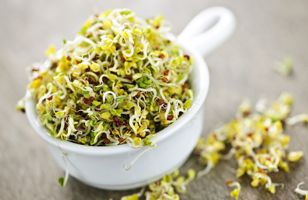 Kroger, the largest grocery chain in the U.S., announced on Friday that its stores will no longer carry sprouts, one of the foods most commonly associated with foodborne illness outbreaks.
“After a thorough, science-based review, we have decided to voluntarily discontinue selling fresh sprouts,” said Payton Pruett, Kroger’s vice president of food safety in a press release. “Testing and sanitizing by the growers and safe food handling by the consumer are the critical steps to protect against food-borne illness. Sprouts present a unique challenge because pathogens may reside inside of the seeds where they cannot be reached by the currently available processing interventions. Out of an abundance of caution, the Kroger Family of Stores will no longer sell fresh sprouts or procure other foods that are produced on the same equipment as sprouts.”
The change will take effect Monday, October 22. The company said it is willing to review its policy if future technologies and practices allow sprouts to grow without the risk of internalizing pathogens.
Earlier this year, sub-sandwich chain Jimmy John’s dropped sprouts from its menu in February after the item tied the chain to five outbreaks over the course of four years. In January, deli chain Jason’s Deli also cited recent outbreaks when announcing it would not serve sprouts for at least the remainder of 2012.
Sprouts have caused at least 54 foodborne illness outbreaks worldwide since 1990, including the summer 2011 E. coli outbreak in Germany that killed 53 people and sickened roughly 4,000.
In 2000, food safety attorney and Food Safety News publisher Bill Marler called for the U.S. Food and Drug Administration to require warning labels on raw sprout packaging.
Kroger operates 2,425 supermarkets and department stores in 31 states under two dozen names including Kroger, City Market, Dillons, Jay C, Food 4 Less, Fred Meyer, Fry’s, King Soopers, QFC, Ralphs and Smith’s.
Thursday, 4 October 2012
Canadian Health Authorities Defend Response to E. coli Outbreak and Recall
Canadian Health Authorities Defend Response to E. coli Outbreak and Recall:
Federal Agriculture Minister Gerry Ritz, along with Canadian Food Inspection Agency (CFIA) President George Da Pont, went personally to the closed and suspended XL Foods Inc. beef processing plant in Brooks, Alberta yesterday.
Before it was over, Ritz had pulled the rug out from under opposition Members of Parliament (MPs) and Da Pont, who recently moved over to the CFIA from the Coast Guard, managed to rewrite the timeline for what is suppose to be the largest beef recall in Canadian history.
While all that was going on, sources south of the border said it was likely the recalled Canadian beef laced with E. coli O157:H7 was distributed in a large enough amount in the U.S. than one or more states will likely soon join Canada by reporting on individuals in the U.S. who are infected with the pathogen.
But that has not happened yet. In Canada, at least five people, including three from the same family, are suffering from E. coli infections from eating Kirkland brand strip steaks that originated at XL and were purchased at Costco.
Another five cases cases in Alberta are under investigation along with up to 13 in Saskatchewan.
Ritz and Da Pont traveled from Ottawa to southern Alberta to visit the 40 CFIA inspectors and six veterinarians who are responsible for food safety at the big XL beef plant. Then they meet with reporters.
"While we understand that ranchers, farmers and industry need a strong processing sector, we all agree that the success of the industry must be founded on food safety, " Ritz told the media.
"That is why the XL Foods plant will only resume operation when the President of the Canadian Food Inspection Agency has confirmed in writing to me that the health of Canadians is not at risk."
That means Da Pont will decided when XL can produce safe beef and send its 2,000 employees back to work.
Da Pont also used the Ritz tour to reshape a bit of the history of the XL recall. He said CFIA came up with a positive E. coli test on XL beef within hours after a random U.S. border check did so on Sept. 3.
It took ten more days for CFIA to officially begin its investigation of XL.
The CFIA President then said there was a delay in getting some initial information on how widespread the problem might be from XL. Da Pont seemed to be saying that if the government's stalled Safe Food for Canadians Act was law, XL would have been compelled to provide the information without delay.
Ritz staff cut Da Pont off from further explaining this statement, saying he'd be available for one-on-one interviews.
The XL recall is the biggest food safety event to hit Canada since the 2008 Listeria outbreak, which killed 23 mostly elderly Canadians who ate contaminated ready-to-eat meats made by Maple Leaf Foods in Toronto.
As in 2008, opposition MP's are taking shots at Ritz, saying the minister is putting Canadian food safety at risk. Ritz and Prime Minister Harper defended the actions of their government, saying they've hired more than 700 new food safety inspectors, including 170 more meat inspectors.
"This Government immediately accepted all fifty seven recommendations of the Weatherill Report and it's why we have acted on all of them," Ritz said, referring to the independent recommendations that were made to the government after the deadly Listeria outbreak.
The XL recall is being called the largest in Canadian history, not on the volume or weight involved, but by the number of products. Asked about that, CFIA provided Food Safety News with this statement:
"Unfortunately, volume of product by weight is not a figure that we track, as it is not of use when determining what product needs to be recalled, nor is it a useful statistic for informing consumers of what products have been recalled.
"Rather, our focus is on distribution of product, retail stores where it has been put on shelves, product names, UPC codes etc., which assist distributors, retailers and consumers in identifying if they have product which has been recalled."
Since Sept. 16, XL Foods has recalled more than 1,500 beef products. Food Safety News learned from the U.S. Department of Agriculture that at least 890,000 pounds of recalled XL beef went to at least 40 states in the U.S.
Canadian Beef Recall Grows, Again
Canadian Beef Recall Grows, Again: 

The largest beef recall in Canadian history grew even larger Monday with the government's announcement that more products are being taken off the market for potential E. coli contamination.
Alberta-based XL Foods, Inc. is voluntarily recalling 260 more varieties of beef, announced the Canadian Food Inspection Agency in a health alert yesterday. These newly recalled meats have been added to hundreds of other beef products recalled by the company in the past two weeks.
The problem was initially discovered by U.S. inspectors who discovered E. coli O157:H7 in ground beef samples taken at the Canadian border in Canada. CFIA conducted its own testing the next day, but the first recall was not initiated until September 16.
Since that time, CFIA has expanded the recall 13 times and U.S. retailers have announced recalls of beef products from XL sold in at least 41 states. Over 1,100 beef products have hit the chopping block as part of this recall.
At least four illnesses have been linked to beef strips manufactured by XL and sold at Costco, and five more are known to be under investigation.
Some beef products listed in this latest recall - including rump roast, soup bones and tenderized hip steak among others - have not been listed in previous recalls updates linked to the outbreak, which have mainly included ground beef and various whole and tenderized cuts.
Items subject to this recall were manufactured on the same dates as XL's previously recalled ground beef products, according to CFIA. Specifically, these production dates include August 24, 27, 28, 29 and September 5, 2012.
A full list of the newly recalled meats is available here.
Affected products were sold in retail stores across the country, including Dominion, Extra Foods, Real Atlantic, Save Easy, ValuFoods, Valu-mart, VillageMart and Zehrs, among others.
At least one-third of the Canadian beef supply is estimated to be affected by XL's recent recalls.
CFIA has closed the XL plant in Alberta until further notice, although Monday before the latest recall was issued there was talk of the plant reopening within the next few days.
Canadian officials say this recall investigation has prompted CFIA to examine product tracking requirements for companies in order to improve traceback.
"If they don't put the dots together to get the big picture for the day, they may be missing something. And that's where we have an improvement and we're going to make something happen," said Richard Arsenault, the agency's director of meat inspection, according to the Edmonton Journal.
Has Imported Dutch Smoked Salmon Sickened 100 Americans?
Has Imported Dutch Smoked Salmon Sickened 100 Americans?: Several states, the U.S. Food and Drug Administration, the Department of Agriculture and the Centers for Disease Control are investigating a spike in Salmonella Thompson cases in the U.S. -- 85 people in 27 states -- that may be linked to the same contaminated smoked salmon that has sickened 200 people in the Netherlands.
On Tuesday, Dutch health officials revealed that they had identified smoked salmon made by Dutch fish processors Foppen as the common source of their ongoing outbreak and recalled the products. They also said the same smoked salmon had been distributed in the U.S. and claimed that the outbreak had sickened 100 Americans.
According to agency spokeswoman Lola Russell, CDC has been investigating a spike in Salmonella Thompson illnesses since last month (health officials might normally see 30 reported cases of this strain of Salmonella during this time frame). Russell said epidemiologists have not yet identified a common food source.
Russell said it's likely there are more illnesses that have not been reported, but it's also likely that not all 85 cases are linked to the same source.
So why did Dutch officials tell the press that there were 100 illnesses in the United States linked to their smoked salmon? Russell explained that CDC often communicates with health agencies abroad and during a conversation with the Dutch National Institute for Public Health (RIVM) someone from CDC may have stated that there were "around 100" illnesses in the U.S.
Of the reported cases, 10 individuals were hospitalized and there have been no reports of death. States have been reporting illnesses since July. CDC's investigation is ongoing, but the agency has so far declined to identify which states have reported illnesses.
Phyllis Entis, who runs eFoodAlert, a clearinghouse for recall information, has compiled a list of some of the states that are known to be investigating illnesses. U.S. public health officials have said that so far there is no epidemiological link between the illnesses and smoked salmon. According to eFoodAlert, the recalled Dutch smoked salmon was sold in the U.S. by Costco under both the Foppen and Kirkland brands.
On Tuesday, Dutch health officials revealed that they had identified smoked salmon made by Dutch fish processors Foppen as the common source of their ongoing outbreak and recalled the products. They also said the same smoked salmon had been distributed in the U.S. and claimed that the outbreak had sickened 100 Americans.
According to agency spokeswoman Lola Russell, CDC has been investigating a spike in Salmonella Thompson illnesses since last month (health officials might normally see 30 reported cases of this strain of Salmonella during this time frame). Russell said epidemiologists have not yet identified a common food source.
Russell said it's likely there are more illnesses that have not been reported, but it's also likely that not all 85 cases are linked to the same source.
So why did Dutch officials tell the press that there were 100 illnesses in the United States linked to their smoked salmon? Russell explained that CDC often communicates with health agencies abroad and during a conversation with the Dutch National Institute for Public Health (RIVM) someone from CDC may have stated that there were "around 100" illnesses in the U.S.
Of the reported cases, 10 individuals were hospitalized and there have been no reports of death. States have been reporting illnesses since July. CDC's investigation is ongoing, but the agency has so far declined to identify which states have reported illnesses.
Phyllis Entis, who runs eFoodAlert, a clearinghouse for recall information, has compiled a list of some of the states that are known to be investigating illnesses. U.S. public health officials have said that so far there is no epidemiological link between the illnesses and smoked salmon. According to eFoodAlert, the recalled Dutch smoked salmon was sold in the U.S. by Costco under both the Foppen and Kirkland brands.
Food Source Might Be Responsible for 10,000 German Illnesses
Food Source Might Be Responsible for 10,000 German Illnesses:
As many as 10,000 German school children stricken since Friday by a vomiting virus may be suffering from eating cafeteria food, health authorities say.
While the investigation is far form over, attention has focused on the food services company called Sodexo that supplies cafeteria food to many schools and day care centers in areas of German experiencing the outbreak.
Berlin health officials expect most children will recover from the norovirus symptoms within a few days, but in the meantime the young people are suffering from vomiting, diarrhea, nausea, stomach pain, fever, and head and body aches.
Laboratory testing is currently underway to determine the cause of the massive outbreak of illnesses. The prestigious Robert Koch Institute has told the media that a single food supplier did serve all the schools and day care facilities reporting illnesses.
Until the source of the virus is found and the outbreak is over, German school and pre-school children are being encouraged to pack their own lunches.
Children who are ill are being told to remain hydrated and to avoid sugary beverages because such drinks can make the symptoms of diarrhea worse.
A task force of state and national officials was set up on Friday to investigate the cause of the illnesses, as the number of sick German school children grew rapidly,
The Robert-Koch Institute told the newspaper Die Welt that the ill children attend schools and pre-schools in Berlin, Brandenburg, Saxony and Thuringia.
Consumer Affairs Minister Ilse Aigner said the goal was "to find the cause of the illnesses as soon as possible and to stop its entry into the food chain."
A spokesman for Sodexo said less than five percent of the schools it serves has sick children. He said the cause of the illnesses may be a norovirus that is not food related.
"The reason that almost all of the children ate food from our kitchens is simply because we deliver food to a lot of schools. We hope that the children feel better soon," he said.,
However, the Robert-Koch-Institute told Die Welt that it stood to reason that the children were suffering from a food-borne illness, and that some of them had tested positive for the norovirus.
The norovirus, which causes vomiting and diarrhea , is highly contagious, and can be transmitted by contaminated food or water, infected people, or contaminated surfaces.
Some German schools have closed as a precautionary measure.
Monday, 1 October 2012
EFSA approves safety of GM oilseed rape
EFSA approves safety of GM oilseed rape:
The European Food Safety Authority (EFSA) has approved the safety of a genetically modified (GM) oilseed rape for use in foods and feed on the EU market.
Russia bans GM maize in wake of controversial Monsanto cancer study
Russia bans GM maize in wake of controversial Monsanto cancer study:
Russian authorities have places a temporary ban on imports of genetically-modified maize produced by Monsanto in the wake of last weeks’ controversial GM cancer study.
Gut bacteria changes touted as a cause of diabetes
Gut bacteria changes touted as a cause of diabetes:
Major changes to the profile of our gut bacteria ecosystem are associated with the development of type two diabetes, according to ‘exciting’ new meta-genomic data published in Nature.
Warning on Czech spirits ban (update 2)
Warning on Czech spirits ban (update 2): The Food Standards Agency is reminding visitors to the Czech Republic of the continued ban on the sale of domestic (Czech) spirits containing more than 20% alcohol. The FSA has issued a second updated list of Czech brands that may have been contaminated by methanol. This follows reports that the number of methanol poisoning-related deaths in the Czech Republic is 24.
Monday, 24 September 2012
Tuesday, 29 May 2012
RSPH Level 3 Award in HACCP for Food Manufacturing 19th and 20th July at Linlithgow Rugby Club
Level 3 HACCP
This qualification is primarily aimed at supervisors/ managers working within the food manufacturing industry, but will also be of benefit to caterers and retailers.
|
Hazard Analysis and Critical Control Point (HACCP) provides an effective and practicable management tool for identifying food safety hazards and ensuring that adequate controls are in place.
This Level 3 qualification covers the importance of HACCP-based food safety management procedures, the preliminary processes for HACCP-based procedures, development of the procedures, monitoring of critical control points and corrective actions and the evaluation of the procedures
|
Outsource Solution place a particular emphasis on workshop activities to establish a robust understanding of the HACCP implementation process.
|
Holders of this qualification will have the appropriate knowledge and understanding to be an integral part of a HACCP team and to supervise the implementation of a HACCP-based system in the work environment.
|
This programme is delivered over two days and assessment is by a 90 minute examination consisting of 45 multiple-choice questions.
|
|
The reading list is available in the syllabus document.
|
Internal Auditing
Syllabus
|
Background of the BRC Global Standard – Issue 6
|
BRC Scope
|
Objectives of Internal auditing
Systems / Compliance / Investigative Auditing
|
Validation / Verification
|
Appropriately trained Auditors
|
Scope of the Internal Audit
|
Audit Schedule and Risk Assessment
|
Internal Audits and HACCP
|
Auditor Skills
|
The audit trial.
|
Recording audit information.
|
Audit Report Writing
|
Corrective and Preventative Action
|
Management Review and Continuous Improvement
|
Course Outcomes
ü Proficiency in undertaking and documenting internal audits.
ü Fulfilling the Fundamental Clause of Internal Auditing of the BRC Global Standard.
ü Effective verification of Quality Management System.
ü Promotes Continual Improvement.
ü Facilitates Effective Management Review.
ü Reduces Customer Complaints.
ü Facilitates good resource management in the Technical Function.
|
Wednesday, 4 April 2012
Alginate gels may blunt blood sugar spikes
Alginate gels may blunt blood sugar spikes:
Adding extracts from brown seaweed to a meal may reduce blood sugar spikes by about 14% and offer benefits from people at risk of type-2 diabetes, suggests a new study.
Gastro-intestinal and foodborne infections: Incidence of Clostridium perfringens, Listeria monocytogenes, Shigella and Yersinia in 2011
Gastro-intestinal and foodborne infections: Incidence of Clostridium perfringens, Listeria monocytogenes, Shigella and Yersinia in 2011: Incidence of Clostridium perfringens, Listeria monocytogenes, Shigella and Yersinia in 2011
Clostridium perfringens
While C. perfringens is a ubiquitous spore-forming bacillus often found in the gas
Clostridium perfringens
While C. perfringens is a ubiquitous spore-forming bacillus often found in the gas
UK food safety authorities issue food grade chemical supply warning
UK food safety authorities issue food grade chemical supply warning:
UK food safety authorities have issued a warning to food processors over the use of food grade chemicals from a Northern Ireland-based distributor following the death of a woman in Italy.
Scudamore report published
Scudamore report published: The Scottish Government?s Scudamore report, Future arrangements to secure food standards and safety in Scotland, has been published today. The report, by the independent expert panel set up by Scottish ministers, considers the future delivery of the food standards regime in Scotland.
Thursday, 1 March 2012
Food safety advice auditing and training: The next course date has been set.Intermed...
Food safety advice auditing and training:
The next course date has been set.
Intermed...: The next course date has been set. Intermediate Level 3 HACCP course:- 22nd and 23rd March 2012 The above courses will be running ...
The next course date has been set.
Intermed...: The next course date has been set. Intermediate Level 3 HACCP course:- 22nd and 23rd March 2012 The above courses will be running ...
Wednesday, 1 February 2012

The next course date has been set.
Intermediate Level 3 HACCP course:- 22nd and 23rd March 2012
The above courses will be running at Linlithgow Rugby Club and will run from 0900 to 1700 each day.
The HACCP level 3 RSPH certificated course has plenty of work shop activities and is completed with a 1.5 hour exam set by RSPH. The course aims to ensure that delegates gather the necessary skills and confidence to be able to originate or contribute to HACCP studies. Currently over 50% of delegates attending this course with us have been achieving distinction level. The course includes all the workshop materials and templates, Carol Wallace course book as well as lunch and refreshments both days. Cost £650 + VAT per delegate.
If you require more information or wish to book a place please contact us directly by email: perry@outsourcesolution.co.uk or complete the web form on www.outsourcesolution.co.uk
Monday, 9 January 2012
BRC Issue 6 Training
Dear All
All the best for 2012
As you are aware we have a change to the British Retail Consortium issue which happened on the 1st January 2012. There are some quite significant changes both in standard requirements and the audit protocol. Outsource Solution Ltd did the necessary training in September and is now a British Retail Consortium approved training provider again. As a result we can provide British Retail Consortium certificated training in the change to issue.
These courses include the following:-
Food Training Issue 6
Title
1-day Audit Techniques & Report Writing
1-day Conversion 5-6 for Manufacturers
2-day Conversion 5-6 for Auditors
2-day Understanding Requirements - Vertical Audit Traceability Challenge handout
2-day Understanding Requirements Issue 6
4-day Third Party Auditor
Internal Auditor - 2 Day
We will be running routine courses but it is always helpful to know your requirements.
As normal we will also be running L2 and L3 Certificated HACCP training and L2 and L3 Food Hygiene training at fairly frequent intervals.
Most of the courses will run at Linlithgow rugby club but on site training can also be arranged as required.
We will do our best to provide the training that fits your needs.
Kind regards
Duncan Perry
All the best for 2012
As you are aware we have a change to the British Retail Consortium issue which happened on the 1st January 2012. There are some quite significant changes both in standard requirements and the audit protocol. Outsource Solution Ltd did the necessary training in September and is now a British Retail Consortium approved training provider again. As a result we can provide British Retail Consortium certificated training in the change to issue.
These courses include the following:-
Food Training Issue 6
Title
1-day Audit Techniques & Report Writing
1-day Conversion 5-6 for Manufacturers
2-day Conversion 5-6 for Auditors
2-day Understanding Requirements - Vertical Audit Traceability Challenge handout
2-day Understanding Requirements Issue 6
4-day Third Party Auditor
Internal Auditor - 2 Day
We will be running routine courses but it is always helpful to know your requirements.
As normal we will also be running L2 and L3 Certificated HACCP training and L2 and L3 Food Hygiene training at fairly frequent intervals.
Most of the courses will run at Linlithgow rugby club but on site training can also be arranged as required.
We will do our best to provide the training that fits your needs.
Kind regards
Duncan Perry
Subscribe to:
Comments (Atom)